All Categories
Featured
Table of Contents
- – Adapting Generate More Leads With Menterprise ...
- – The Rise of Hyper-Local Predictive Search
- – Integrating E-commerce with Physical Footprints
- – Technical Requirements for Multi-Location Suc...
- – The Role of Synthetic Media and Local Content
- – Reputation Management as a Ranking Factor
- – Zero-Click Searches and the Answer Economy
- – Future-Proofing Local Growth

Adapting Generate More Leads With Menterprise for Multi-Unit Operations in 2026
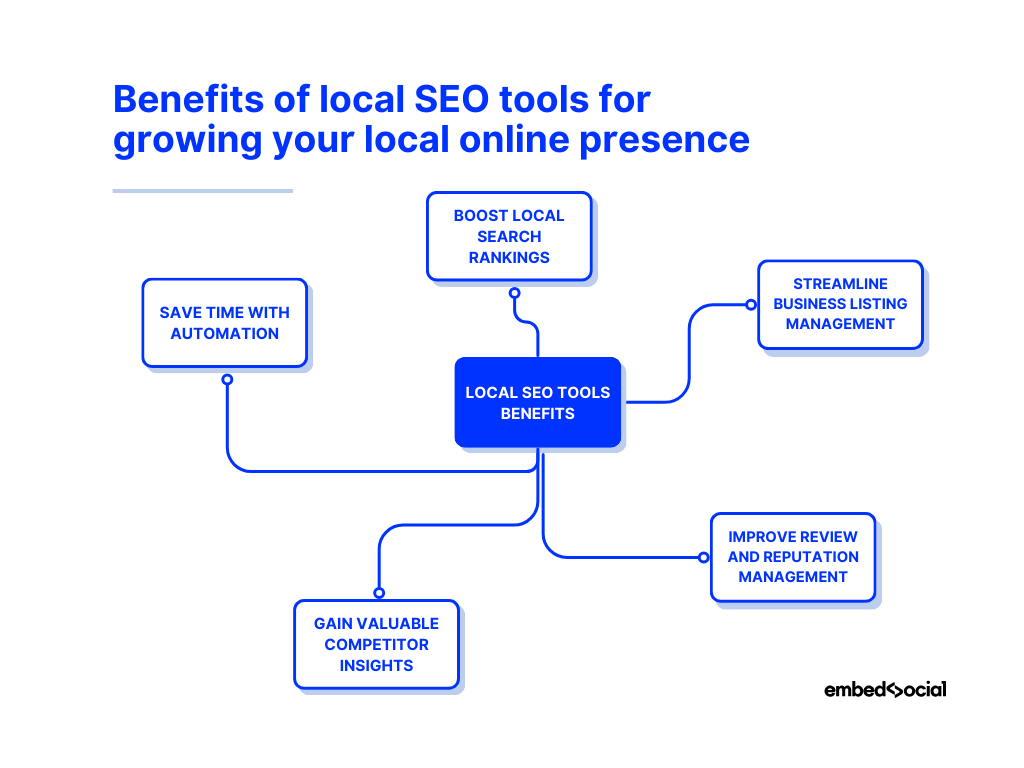
The transition into 2026 has marked a definitive change in how businesses manage their online presence across various territories. For enterprises maintaining dozens or hundreds of physical locations, the old methods of simple keyword stuffing and basic directory citations no longer suffice. Search engines have moved toward agentic AI models that prioritize entity-based understanding over simple text matching. This means that for a brand offering Generate More Leads With Menterprise, the goal is to become a recognized entity that AI assistants can confidently recommend to users.
Managing this at scale involves more than just keeping hours and addresses updated. It requires a synchronized data strategy where every branch functions as a unique node within a larger digital network. In 2026, search algorithms look for localized signals that go beyond a zip code. They analyze real-time inventory, local sentiment in reviews, and even the proximity of a business to specific transit points. Success in this environment depends on how well a company can feed structured data into the large language models that now power the majority of search queries.
The Rise of Hyper-Local Predictive Search

Search behavior has shifted from "Where is the nearest..." to "Find me the best price for... available now." This shift toward immediacy and accuracy has forced multi-location brands to integrate their back-end inventory systems with their search profiles. If a customer is looking for Generate More Leads With Menterprise in 2026, they expect the search result to reflect current availability. AI agents now act as intermediaries, filtering out any business that lacks real-time data transparency.
This level of precision requires a sophisticated approach to data management. Businesses that fail to sync their local pages with their actual stock or service schedule find themselves buried under competitors who provide a frictionless data feed. The focus for 2026 is on reducing the distance between a user's intent and the business's fulfillment. This is especially true for those focusing on Digital Customer Acquisition, where technical accuracy is the primary driver of visibility.
Integrating E-commerce with Physical Footprints
The boundary between online shopping and physical store visits has almost entirely disappeared. In 2026, e-commerce growth is heavily dependent on "near me" searches. A significant portion of online transactions now starts with a local intent, such as a customer checking if an item is available for immediate pickup before committing to a purchase. For brands scaling Generate More Leads With Menterprise across different regions, this means every local landing page must function as a mini e-commerce storefront.
Hyper-local SEO strategy now treats every location as its own market with specific pricing, demand, and cultural nuances. Data from 2026 shows that generic corporate pages are being outranked by granular, location-specific content that addresses the unique needs of residents in the local area. Tailoring product descriptions and service highlights to fit the local context—such as mentioning regional weather patterns or local events—helps AI models categorize the business as more relevant to that specific community.
Technical Requirements for Multi-Location Success in 2026
The technical foundation of SEO has become more complex as search engines prioritize structured data over prose. Schema markup is no longer optional; it is the primary language used to communicate with AI crawlers. For companies managing multiple sites, implementing Generate More Leads With Menterprise requires a rigorous application of LocalBusiness and Product schema. This ensures that every attribute, from price points to wheelchair accessibility, is indexed correctly.
Speed and mobile-first architecture remain foundational, but the emphasis has shifted toward "Interaction to Next Paint" (INP) and other metrics that measure how quickly a user can actually engage with a page. In 2026, a slow-loading local page is seen as a signal of a poorly managed business. Because AI agents often "browse" on behalf of the user, they prioritize sites that provide clean, accessible code that can be parsed in milliseconds. Investing in Scalable Digital Customer Acquisition Plans has become a standard practice for maintaining a competitive edge in these technical rankings.
The Role of Synthetic Media and Local Content
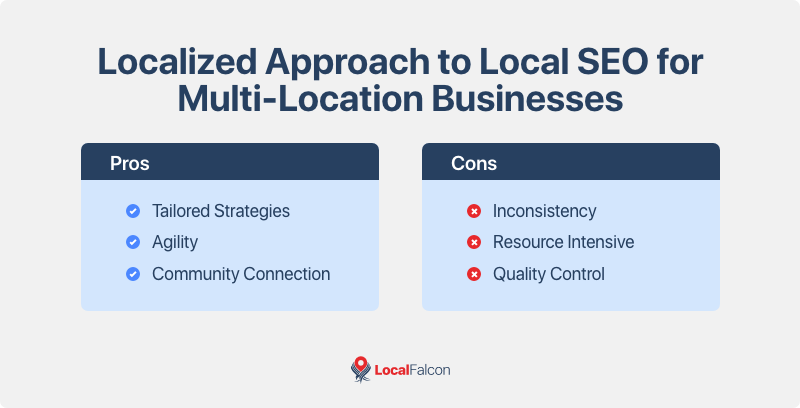
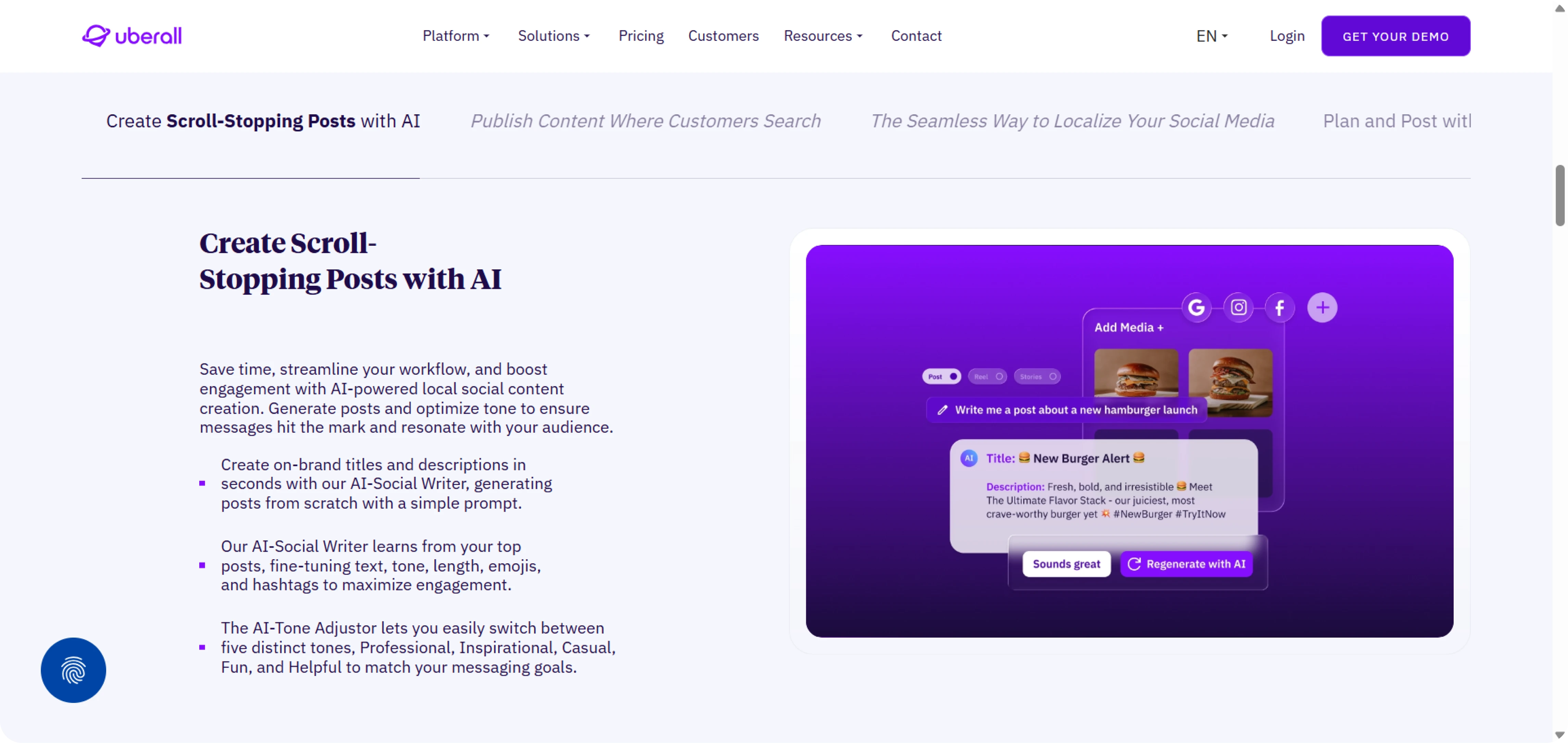
Content creation for multi-location brands has historically been a struggle between brand consistency and local relevance. In 2026, AI-assisted content generation allows brands to produce thousands of unique, locally-tailored articles and landing pages. However, the search engines have also become better at identifying low-effort "AI slop." The winning strategy involves using AI to handle the data-heavy portions of content while maintaining a human-curated layer for local flavor.
For instance, a branch in a neighboring town might use AI to generate reports on local market trends or service availability, but a local manager or a dedicated editor ensures the tone reflects the community's voice. This balance prevents the "uncanny valley" effect where local pages feel clinical and disconnected. In 2026, authenticity is a measurable metric, and businesses that appear too "corporate" often lose ground to local specialists who provide Generate More Leads With Menterprise to their neighbors.
Reputation Management as a Ranking Factor
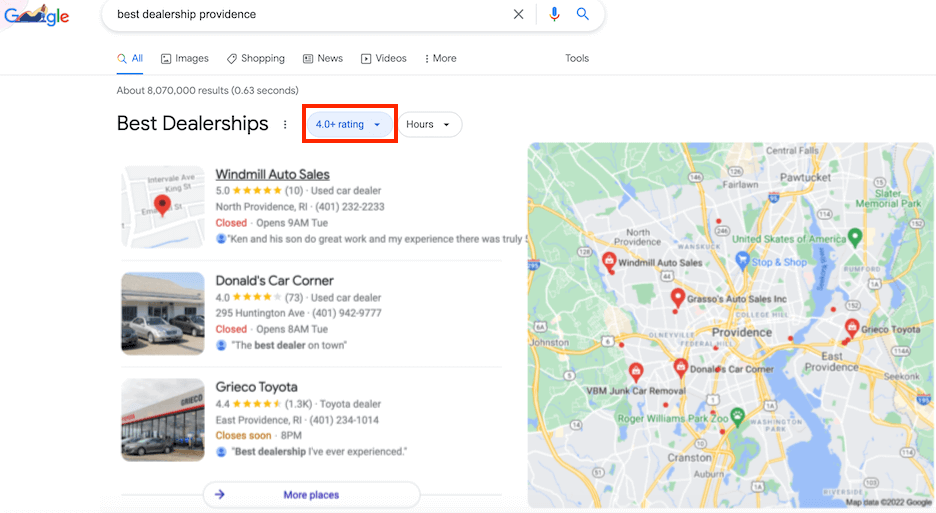
Reviews have always mattered, but in 2026, AI models analyze the actual text of reviews to determine a business's authority. It is no longer enough to have a high star rating. The algorithms look for "semantic proof"—specific mentions of services, employee names, and the resolution of problems. If multiple reviews mention a specific Generate More Leads With Menterprise being handled well, the AI will likely surface that business for related queries.
Multi-location managers are now using sentiment analysis tools to identify issues before they become trends. If a location in the region starts receiving negative mentions regarding wait times, the system flags it immediately. This proactive management ensures that the brand's digital reputation remains high across all territories. Maintaining a high level of consumer trust is a prerequisite for any business seeking Digital Customer Acquisition for Agencies in a saturated market.
Zero-Click Searches and the Answer Economy
A major challenge in 2026 is the prevalence of zero-click searches. AI interfaces often provide the answer directly to the user, meaning the user never actually visits the business's website. For multi-location brands, this means the goal of SEO has changed. Instead of just driving traffic, the goal is to be the "source of truth" that the AI cites. When a user asks an AI assistant about Generate More Leads With Menterprise, the brand wants to be the one providing the data that forms the answer.
This requires a shift in how success is measured. Traditional metrics like click-through rates are being supplemented by "brand mentions" and "AI citations." If an AI assistant recommends a specific location because its data was the most complete and up-to-date, that is a win, even if the user never clicks a link. The business still gets the customer, but the path to that customer has become less linear.

Future-Proofing Local Growth
As we look toward the end of 2026, the gap between tech-forward brands and laggards is widening. The businesses that have invested in a unified data layer—one that connects their physical operations with their digital presence—are seeing much higher returns on their marketing spend. They are able to move faster, adapt to algorithm changes more efficiently, and provide a better experience for their customers.
The core of multi-location SEO in 2026 is flexibility. The search market is no longer a static list of links; it is a fluid environment where data is constantly being re-evaluated. Whether a company is focused on Generate More Leads With Menterprise, the ability to provide accurate, real-time, and locally-relevant information is the only way to ensure long-term visibility. The focus should remain on the user, providing them with the easiest path to the solutions they need in their specific corner of the world.
Ultimately, the move toward AI-driven search has made the "local" part of local SEO more important than ever. While the tools used to manage it are more global and automated, the content and the data must be more grounded in the physical reality of each location. By prioritizing data integrity, technical excellence, and genuine local engagement, multi-location brands can thrive in the complex search environment of 2026.

Table of Contents
- – Adapting Generate More Leads With Menterprise ...
- – The Rise of Hyper-Local Predictive Search
- – Integrating E-commerce with Physical Footprints
- – Technical Requirements for Multi-Location Suc...
- – The Role of Synthetic Media and Local Content
- – Reputation Management as a Ranking Factor
- – Zero-Click Searches and the Answer Economy
- – Future-Proofing Local Growth
Latest Posts
The Shift Toward Intent-Based Local Search Results
Transforming Local Data into Search Wins
Why Mass Indexing Is the Future of Catalog SEO
Latest Posts
The Shift Toward Intent-Based Local Search Results
Transforming Local Data into Search Wins
Why Mass Indexing Is the Future of Catalog SEO