All Categories
Featured
Table of Contents
- – Precision Targeting in 2026 Local Search
- – The Integration of specialized local assistanc...
- – Hyper-Local Content and Community Relevance
- – Technical Requirements for 2026 Local Visibility
- – The Rise of Zero-Click Local Conversions
- – Personalization and the Local Consumer
- – Building Trust Through Local Verification
- – Adaptive Strategies for the Remainder of 2026

Precision Targeting in 2026 Local Search
Retailers operating in modern urban areas are encountering a shift in how residents find and interact with physical stores. By the middle of 2026, the reliance on broad search terms has faded, replaced by highly specific queries that demand immediate, localized answers. Shoppers no longer search for general categories. Instead, they look for specific items that are available for pickup within a twenty-minute radius. This change forces a transition from traditional search engine optimization to a model focused on real-time availability and geographical precision.
The data suggests that over 80 percent of local searches in the current region now result in a store visit within the same hour. This immediacy requires retailers to synchronize their digital inventory with their physical shelves with near-perfect accuracy. A shopper might look for a specific model of a product and expect the search result to confirm it is in stock at a nearby branch. If the digital data is stagnant, the trust between the consumer and the brand breaks. Ensuring consistent performance in Retail SEO Insights helps maintain this visibility.
The Integration of specialized local assistance in Retail
Physical storefronts are finding that their digital presence must act as a concierge. In 2026, search engines prioritize stores that provide detailed information about localized retail options directly in the search results. This includes appointment availability, specific in-store expertise, and even the current foot traffic levels. Consumers are optimizing their own schedules, and they prefer retailers that respect their time by providing these details upfront.
When a person searches for help in their immediate neighborhood, they are likely looking for a solution to a problem rather than just a product. Retailers who highlight their expertise see a significant increase in high-intent traffic. Strategic Store Authority Building Plans serves as a primary method for capturing this audience. By focusing on the specific needs of the local population, businesses can differentiate themselves from massive e-commerce entities that lack a physical connection to the area.

Hyper-Local Content and Community Relevance
General blog posts and broad keyword targeting are less effective in 2026 than they were in previous years. Success now comes from content that reflects the specific culture and events of the local district. If a neighborhood is hosting a festival or dealing with specific weather patterns, the retailer’s digital presence should reflect that. This level of local nuance signals to search algorithms that the business is a genuine part of the community.
Localized content strategies are no longer optional for those who want to rank in the "map pack" or local search carousels. These algorithms now weigh community engagement and local relevance as heavily as they once weighed backlink profiles. This means that a shop in the local region must produce updates that matter to the people living there. Whether it is a guide to using specific products in the local climate or news about community partnerships, the focus must remain narrow and deep.
Technical Requirements for 2026 Local Visibility
The technical side of local search has become more demanding. Search engines in 2026 use advanced crawlers that prioritize structured data related to local inventory and service hours. Schema markup must be precise, covering everything from the specific coordinates of the entrance to the types of payment accepted. Retailers who neglect these technical details find themselves buried under competitors who have prioritized a clean, machine-readable backend.
Speed and mobile functionality are still essential, but they are now seen as the baseline rather than a competitive advantage. The real differentiator is how well a website handles location-based requests. For instance, a site should automatically detect if a user is in a nearby town and adjust the displayed inventory and pricing accordingly. This level of personalization makes the digital experience feel like a local one, even if the retailer has locations across the country.
The Rise of Zero-Click Local Conversions
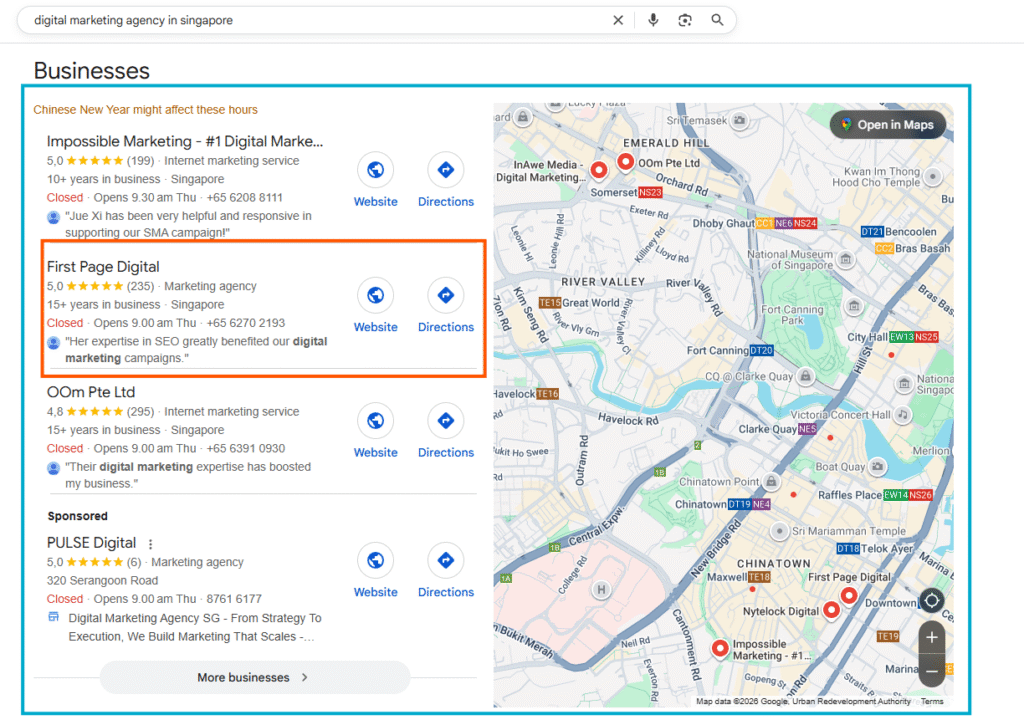
A significant portion of local search in 2026 happens without the user ever clicking through to a website. Google and other platforms provide all necessary information—directions, stock status, and the ability to book professional support—directly on the search results page. Retailers must optimize for these zero-click interactions by ensuring their local profiles are exhaustive and verified.

This trend does not mean the website is obsolete. Rather, the website acts as the data source that feeds these platforms. If the information on the site is not structured correctly, the search engine cannot display it in the local snippets. Many businesses are finding that investment in Retail SEO Insights for Shops is the most effective way to ensure this data remains accurate and competitive. When the search engine can confidently tell a user that a store has exactly what they need, the likelihood of a sale increases.
Personalization and the Local Consumer
Consumer behavior in 2026 is defined by a desire for relevance. People are tired of being targeted by ads for products they can only buy online or that are located three cities away. They want a shopping experience that feels tailored to their specific location. Retailers in the immediate area are using local data to create more meaningful connections. This might involve sending a notification about a sale on items that are currently trending in that specific zip code.
Personalization also extends to the physical store. When a customer who has been searching for specific items online enters a store in the region, the staff should be equipped with the information to help them find those items quickly. This connection between the online search and the offline visit is where the most successful retailers are winning. The digital strategy must support the physical reality, ensuring that the transition from screen to store is as quick as possible.
Building Trust Through Local Verification
In an era where AI-generated content is everywhere, local shoppers in 2026 value authenticity. They look for reviews from people they know or who live in their same neighborhood. Verification of these reviews has become a major factor in search rankings. Retailers who encourage honest, local feedback and respond to it in a timely manner build a level of trust that a global brand cannot easily replicate.
This trust is also built through local partnerships. A retailer in the surrounding area that collaborates with other local businesses often sees a boost in search authority. These relationships create a web of local signals that tell search engines the business is a trusted entity within that specific geographic area. It is about being a good neighbor as much as it is about being a good business.
Adaptive Strategies for the Remainder of 2026
As we move through 2026, the pace of change in local search continues to accelerate. Retailers must remain flexible, ready to adjust their strategies as search engines introduce new features or change how they weigh local signals. The focus should always be on the consumer's needs. If people in the local market change how they shop, the SEO strategy must follow suit immediately.
Staying ahead means looking at the data frequently. Retailers should monitor which search terms are driving physical foot traffic and which are merely resulting in digital views. By understanding the path from a local search query to a physical purchase, businesses can allocate their resources more effectively. The goal is to be the most relevant and visible option when a neighbor is ready to buy.
The future of retail in any local region depends on this intersection of digital precision and local presence. Those who master the technical requirements while maintaining a genuine connection to their community will find themselves leading the market. The trends of 2026 show that while the tools may change, the importance of being a reliable, local resource remains the most effective strategy for growth.

Table of Contents
- – Precision Targeting in 2026 Local Search
- – The Integration of specialized local assistanc...
- – Hyper-Local Content and Community Relevance
- – Technical Requirements for 2026 Local Visibility
- – The Rise of Zero-Click Local Conversions
- – Personalization and the Local Consumer
- – Building Trust Through Local Verification
- – Adaptive Strategies for the Remainder of 2026
Latest Posts
The Shift Toward Intent-Based Local Search Results
Transforming Local Data into Search Wins
Why Mass Indexing Is the Future of Catalog SEO
Latest Posts
The Shift Toward Intent-Based Local Search Results
Transforming Local Data into Search Wins
Why Mass Indexing Is the Future of Catalog SEO