All Categories
Featured
Table of Contents

Generative Intelligence and the Shift in Local Discovery
The year 2026 marks a significant departure from how people used to find businesses. Traditional lists of links have mostly disappeared, replaced by synthesized answers that combine map data, real-time inventory, and verified social proof. These systems no longer just show where a business is located. They explain why a specific shop or service provider matches the current intent of the user. For anyone tracking the growth of Affiliate Marketing With Pages For Every Serp, the focus has moved from simple keyword matching to entity-based relevance. Search engines now act as personal assistants that understand the nuances of a neighborhood rather than just a city-wide average.
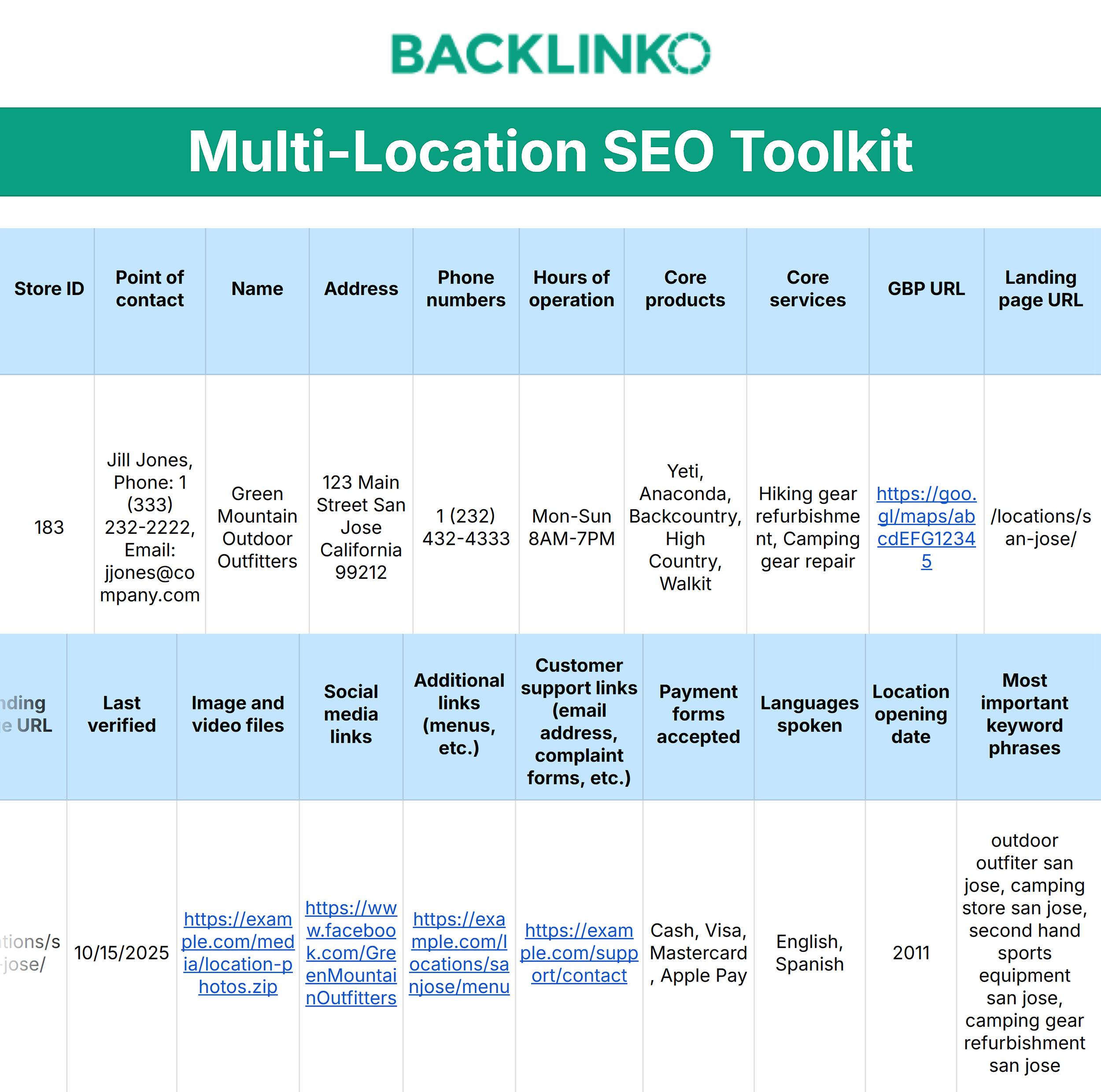
In this current environment, visibility depends on how well a business can feed structured data into these AI models. This isn't just about name, address, and phone number anymore. It involves providing live feeds of product availability and service windows. A consumer in 2026 expects to know if a specific item is on the shelf before they leave their house. Organizations that have prioritized Niche Site Scaling are seeing much higher engagement rates because they provide the granular details these modern search engines require to formulate an answer.
Small businesses and national chains alike are adapting to a world where "near me" is no longer a search term but a default setting. Every result is hyper-localized to within a few blocks. This change means that a business three miles away might as well be in another state if it doesn't show immediate relevance to the user's specific block. The algorithms now favor businesses that demonstrate frequent, local activity and high-resolution data updates.
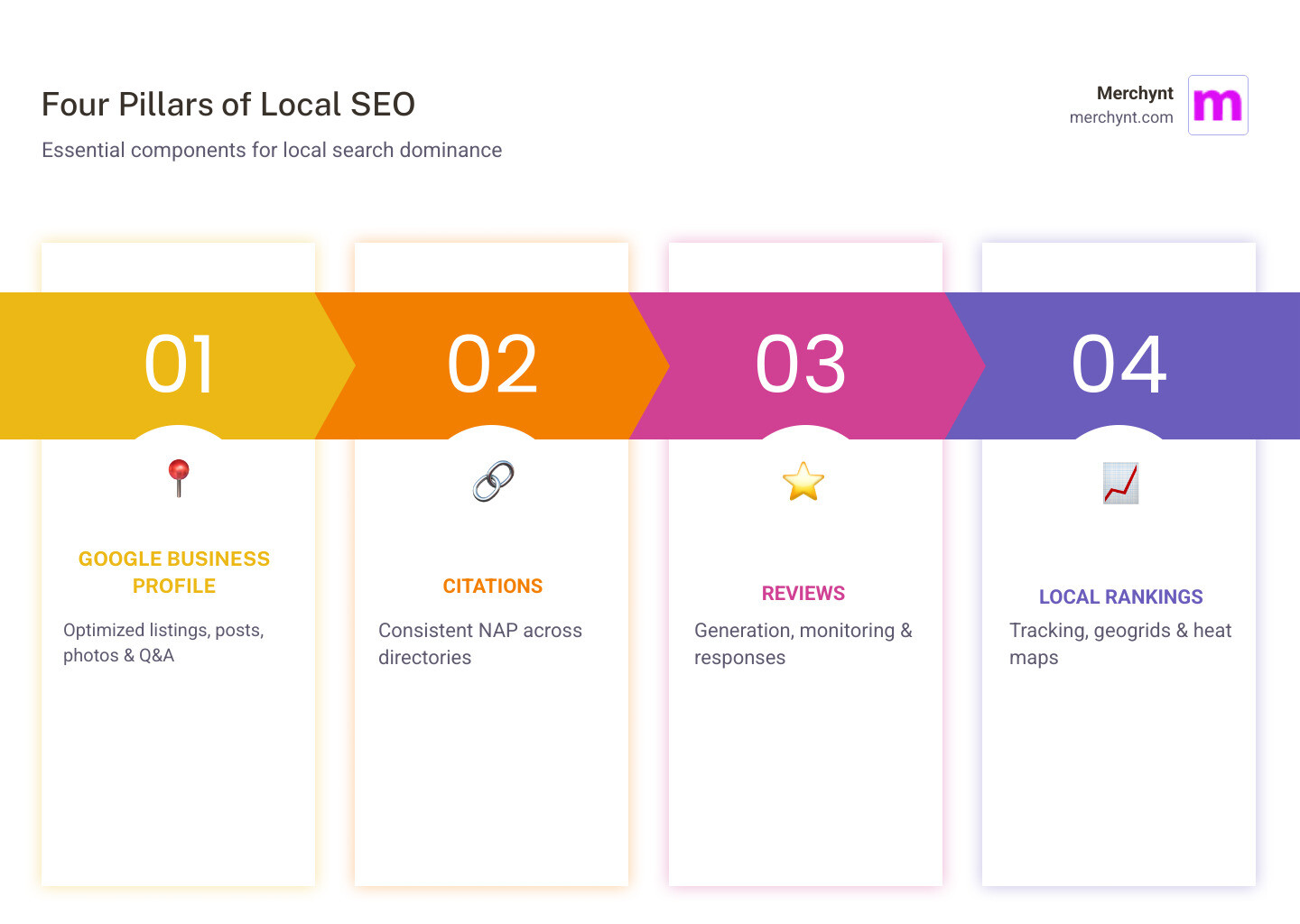
Inventory Integration and the E-commerce Merge
The line between an online shop and a physical storefront has blurred completely by 2026. Local search results now serve as a virtual window into the store. When a user searches for Affiliate Marketing With Pages For Every Serp, they see a 3D preview or a live stock count directly in the results. This integration has turned search engines into the primary checkout counter for many regional retailers. Consumers can reserve items or book appointments without ever clicking through to a separate website. This friction-free process has forced a shift in how digital presence is managed.
Data accuracy has become the most critical metric for success. If a search engine suggests a product is in stock and the customer finds an empty shelf, the negative impact on the business's search ranking is immediate and severe. AI assistants now cross-reference user movement data with purchase history to verify that businesses are fulfilling their promises. This level of accountability has pushed many to invest in Rapid Niche Site Scaling Systems to ensure their digital and physical realities are always in sync. The rewards for this accuracy are high, as search engines give preferential placement to entities with a 100% data reliability score.
Furthermore, the growth of hyper-local delivery networks has changed the value proposition of local search. Search results now often include a "delivery by" time that competes with national e-commerce giants. By 2026, a local hardware store can often get a tool to a customer faster than a massive warehouse can, and the search results highlight this advantage. This change has leveled the field, allowing local shops to reclaim market share by using their physical proximity as a strategic asset.
The Role of Verified User Experiences in 2026
Review spam was a major issue in previous years, but 2026 has introduced the era of verified experience. Search engines now prioritize content from users who have been physically present at a location and have a recorded transaction. These "Proof of Presence" reviews carry more weight than anonymous text. When looking for Affiliate Marketing With Pages For Every Serp, users now see short video clips and high-definition photos uploaded by real customers within the last 24 hours. This creates a live feed of the business's current state, showing things like wait times or the current atmosphere.
This shift has changed the strategy for reputation management. Instead of asking for reviews once a month, businesses now focus on generating a steady stream of daily content. The recency of information is a massive ranking factor. An older business with five thousand reviews from two years ago will often rank lower than a new business with fifty reviews from the current week. The algorithm assumes that the most recent data is the only data that matters for a consumer making a decision right now.
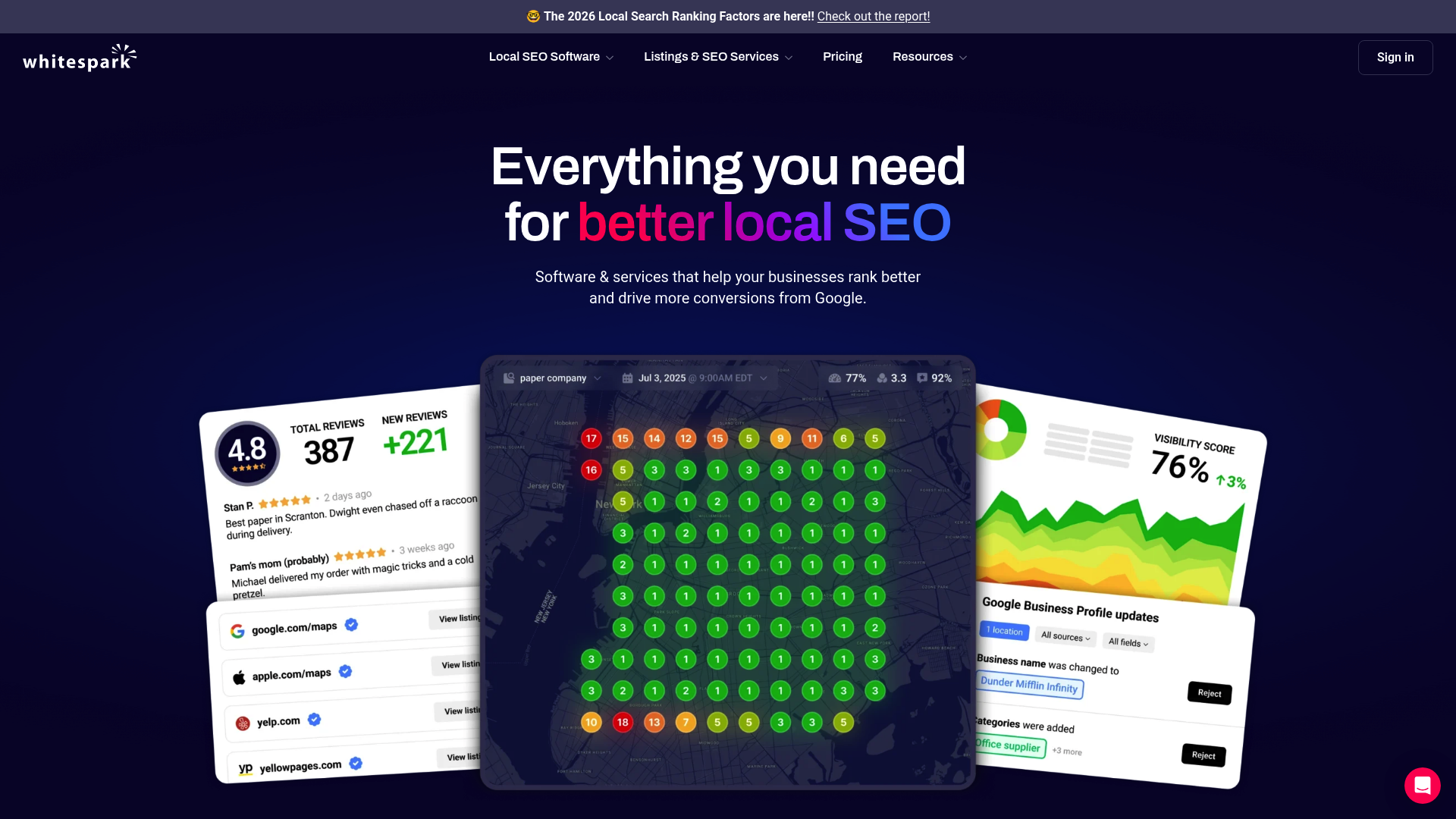
Trust is also built through transparent responses. In 2026, the way a business handles a public complaint is analyzed by AI to determine the brand's sentiment score. A cold, automated response can hurt rankings, while a helpful, human-centric reply can improve them. Because of this, there is a rising demand for Niche Site Scaling for Partners among firms that want to maintain a high trust rating in their local community. Consumers are looking for authenticity, and the search results are designed to surface it.
Visual and Augmented Reality in Search Results
Visual search has overtaken text-based queries for many categories in 2026. People frequently use their glasses or phones to "look" at a street and see digital overlays of business information. This augmented reality search requires a different kind of optimization. Businesses must have high-quality 360-degree imagery and accurate spatial data so their digital tags appear exactly where the physical building stands. For industries like Affiliate Marketing With Pages For Every Serp, this means being able to show a virtual tour or a menu of services the moment a potential customer glances toward the storefront.
Search engines are also using computer vision to understand what is inside a store window. A display featuring seasonal items can be indexed and shown to users nearby who have expressed interest in those specific products. This passive discovery is a major driver of foot traffic in 2026. A person doesn't even need to be searching for a specific business to find it; the search engine suggests it based on their visual environment and past preferences. This makes the physical appearance and signage of a business more important for digital discovery than ever before.
The Impact of Privacy-First Local Tracking
Privacy regulations have reshaped how local search functions in 2026. Large-scale tracking is less common, but localized, opt-in data has become more valuable. Users are willing to share their location in exchange for highly relevant, immediate results. This has led to the rise of "Intent Zones," where businesses can bid to be the top suggestion for someone entering a specific neighborhood. Unlike old-fashioned ads, these suggestions are filtered for high relevance, so the user never feels like they are being spammed. They see the suggestion because it genuinely matches their current path and needs.
For the business owner, this means that understanding the local "flow" of a neighborhood is essential. Data shows that certain times of day or specific weather conditions change the types of search results that are most effective. A rainy afternoon might trigger a surge in results for indoor activities or delivery-focused Affiliate Marketing With Pages For Every Serp. Adapting to these shifts in real-time is the hallmark of a successful 2026 marketing strategy. Static campaigns are a thing of the past; the focus is now on fluid, responsive presence that changes as the day progresses.
The transition to these advanced systems has not been easy for every business, but those who embrace the technical requirements find a more engaged and ready-to-buy audience. By focusing on data depth, verified reviews, and visual readiness, businesses can ensure they remain at the center of their local economy. The future of search is not about being the loudest; it is about being the most helpful and accurate result in the moment it is needed most.
As we move through the rest of 2026, the trend toward hyper-localization will only intensify. The technology will continue to get better at predicting what a user wants before they even finish their thought. For a local business, the goal is simple: be the best possible answer for the AI assistants that are now making the majority of consumer decisions. Those who provide the clearest, most honest, and most up-to-date information will be the ones who thrive in this new age of discovery.

Latest Posts
The Shift Toward Intent-Based Local Search Results
Transforming Local Data into Search Wins
Why Mass Indexing Is the Future of Catalog SEO